
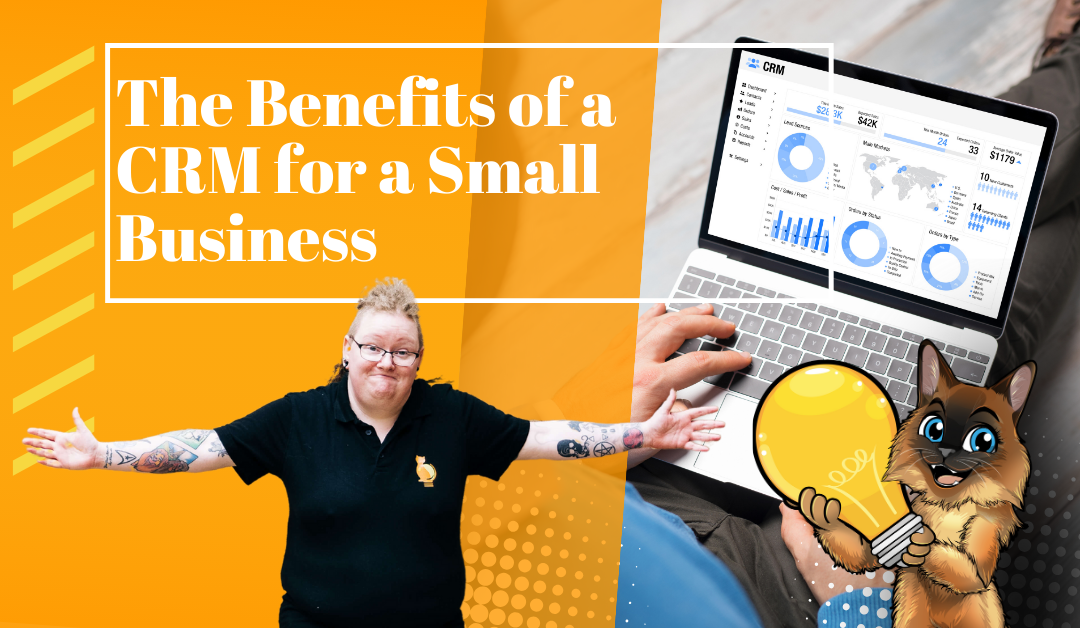
What Are the Benefits of a CRM for Small, Growing Businesses?
As your business grows, you’re likely to bring on new employees and increase the number of customers you work with.
But how do you make sure that accurate and up-to-date information about clients is available to everyone across your business?
One solution is to consider investing in a CRM.
What is a CRM?
CRM is short for Customer Relationship Management software.
It’s a system that helps you keep track of your customers and their engagements with your business.
A CRM provides a platform for everyone at your company to access current up-to-date customer information, and also review the history of any particular client.
If you do decide to consider a CRM for your business, here are some of the main benefits:
A CRM can help prepare your business to scale
In small businesses, client management might be handled by the owner manager or a small close-knit team.
This is fine when you only have a handful of customers.
But if you’re looking to grow your business and increase the number of clients you work with, you’re going to need more account managers and salespeople.
Having information that exists only in the head of the business owner, or having undocumented and unclear processes is going to be a barrier to efficient scaling.
To keep things organised as you scale, you need a structured and consistent way to manage customer data. A CRM can help you achieve this.

It can help everyone in the business stay on the same page
For a lot of business owners, keeping your teams on the same page can be an ongoing struggle. It can be especially challenging if some team members are working remotely.
A CRM can keep everyone informed about the most important information related to each customer or lead.
Every time someone in your business communicates with a customer or prospect, they can log any relevant information within the CRM. This information will be available to the rest of the team the next time they make contact with that same customer or prospect.
This can help improve the effectiveness and efficiency of communication with your customers.
By having a record of all the previous interactions and conversations, it can help avoid your team having gaps in their knowledge, or potentially contradicting something that had been agreed previously.
It can help you segment your customers and communicate with them more effectively
A CRM allows you to group (or segment) your customers based on different characteristics or criteria.
For example, you might want to segment customers based on how they first provided their details to your business. Someone signing up to your email list on a social media form might be segmented differently to someone that signed up at a local trade show, so that your business can communicate with them in slightly different ways.
Or you might choose to segment your customers based on their frequency of purchase or the types of products they have shown an interest in.
Segmentation via a CRM can help you to communicate with customers more effectively and build better client relationships.

A CRM can link your customer data with other software
One of the major benefits of many CRMs is that they have pre-built integrations with other technologies such as email platforms, social media platforms and accounting software.
If your CRM is kept up to date, it can be used to add personalisation to your email campaigns and make your marketing activity more effective.
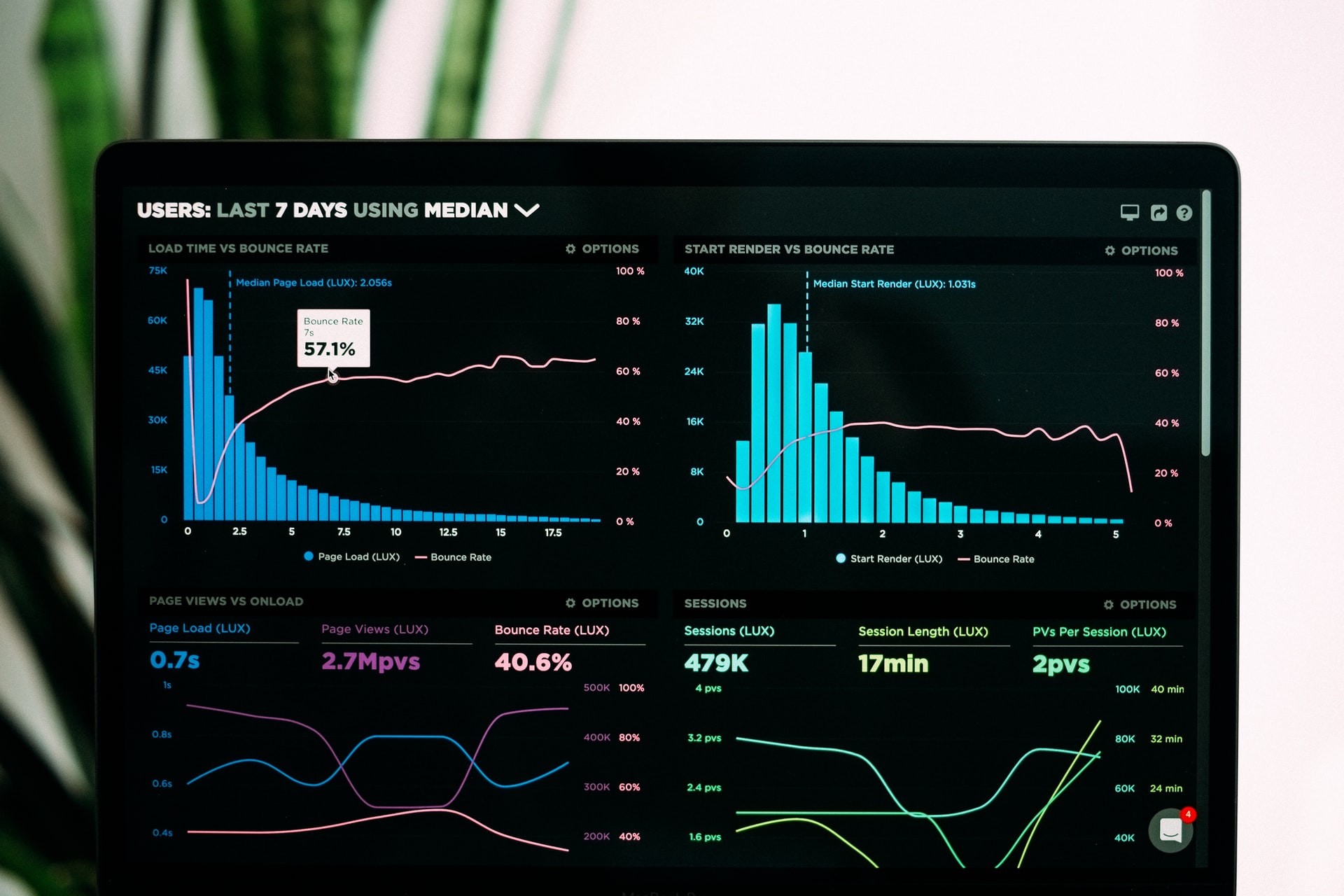
It gives you metrics to help you manage your business
A CRM can help you understand the areas of your business that are working well, and the areas of your business that need more of your attention.
If you’re a service-based business, you might be able to see that there is a high conversion rate from your sales team’s initial call to proposal stage, but a lower than expected conversion rate from proposal to sale. This might indicate that you want to review your proposal process.
You’re also able to monitor more detailed metrics, like the frequency of contact your sales teams and account management teams have with customers.
Having this data at your fingertips can help you make more informed, objective decisions about your business.
So which CRM is best for small businesses?
This question probably needs to be a blog post on its own! There are a number of CRM solutions that are great for small businesses including Zoho, Freshworks, Hubspot and VTiger.
If you’re considering investing in a CRM and want some support in weighing up the pros and cons of each platform, I’d be happy to help. Just drop me a line.
Recent Comments