

Ready to crush your marketing goals in 2026? As a UK small business owner—whether you run a local service or sell products online—you’ve got a lot on your plate. Marketing trends are always evolving (hello, AI and TikTok!), but fear not. We’ve compiled a friendly blueprint of what to focus on in 2026 to get the most bang for your marketing buck. This isn’t about chasing every shiny new thing—it’s about prioritising high-impact strategies that experts say will matter most. Let’s dive in!
Content Marketing: Blogs, Video & SEO Still Reign
Content is still king, but it’s wearing a new crown. High-quality, helpful content that showcases your expertise will beat old-school keyword stuffing every time. That means writing blog posts that answer real questions your customers have, creating videos that tell your story, and optimising everything for SEO with Google’s latest rules in mind. Google’s 2025 updates put a spotlight on content that demonstrates real experience and authority, so focus on sharing what you know and what you’re good at.
Short-form video content is a huge part of the mix too. Platforms like TikTok, YouTube Shorts, and Instagram Reels are dominating engagement. People have short attention spans, so story tell in under 60 seconds and keep it authentic.
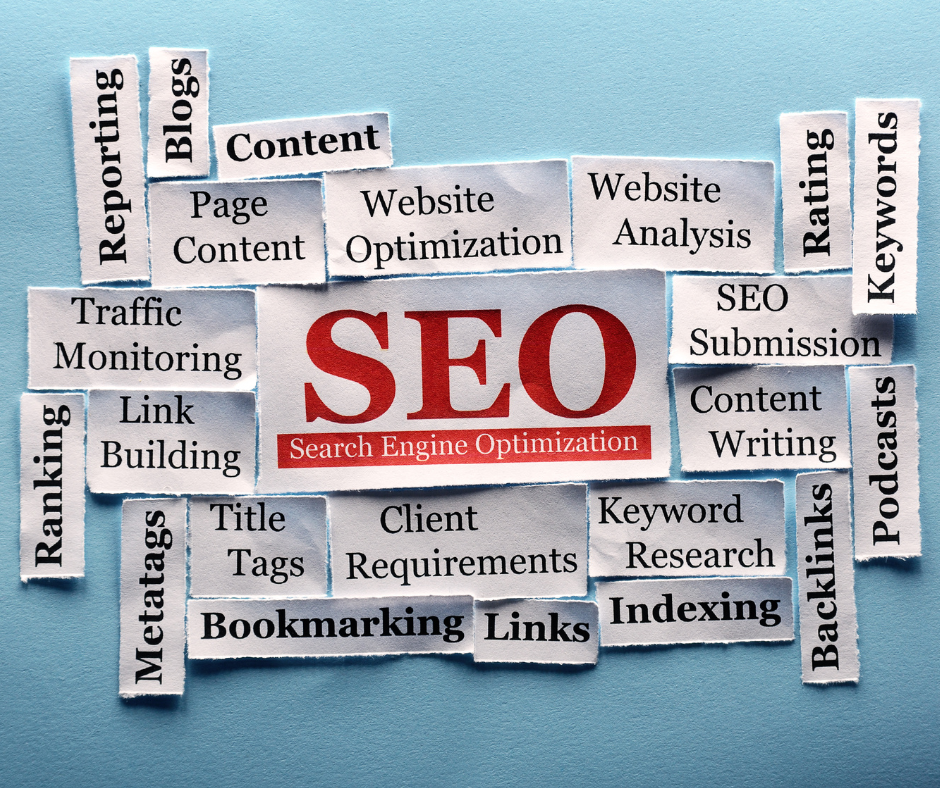
Top content marketing tips:
- Blog with purpose: Answer common customer questions and share insider tips. For example, a local UK plumber might blog about “5 easy winter pipe care tips” – content that’s useful and boosts your search rankings with relevant keywords.
- Embrace video: Don’t be shy! Even service-based businesses can shine on video (think project walkthroughs or client testimonials). Keep videos snappy and value-packed. Short-form videos get major reach and engagement.
- SEO 2.0: Optimise for humans and search engines. Use descriptive titles, add alt-text to images (helps with Google and visually impaired users), and demonstrate your know-how.
Email Marketing & Lead Nurturing: Oldie but Goodie
Guess what? Email marketing is back on the priority list (not that it ever left). Despite new social platforms popping up, email remains one of the highest ROI channels for small businesses. The difference in 2026 is that email is getting smarter and more personalised. We’re not talking generic monthly newsletters anymore – think segmented campaigns, AI-powered send schedules, and interactive emails that feel one-to-one.
With modern email tools (many built into affordable CRM systems), you can set up automated welcome sequences for new leads, nurture existing customers with helpful tips, and even win back lapsed customers with a well-timed offer. Lead nurturing via email is all about sending the right message at the right time.
- Hyper-segmentation: Break down your email list into groups (by interest, past purchases, location, etc.) and tailor your content. A boutique in London might send different updates to fashionistas vs. bargain-hunters.
- Interactive content: Spice up your emails with polls, quizzes or even embedded videos. It’s not just fun – it boosts engagement.
- Stay personal (and legal): Use the recipient’s name, reference their last interaction, and make emails feel human.
If you have no idea where to start with email marketing why not grab our email marketing starter guide. Or if you need some help take a look at our VA options.
Social Media Strategies: Short-Form Video & Platform Picks
Social media is a bit like the Wild West – exciting, but you need a game plan. The days of putting all your effort into just Facebook or just Twitter (erm, X) are over. People are on average 6–7 different social platforms globally, and trends change fast. The good news: you don’t have to be everywhere at once. It’s better to pick the platforms where your customers hang out and go all-in on engaging them authentically.
A clear trend that’s here to stay is short-form video. Quick, catchy videos continue to get more reach and engagement than text or images. Whether it’s a behind-the-scenes clip at your shop, a how-to demonstration, or a customer review snippet, video content is golden.

How to ace social media:
- Focus your efforts: Find out where your audience is. If you’re a crafty maker or boutique, Instagram and Pinterest might be your sweet spot. If you offer B2B services, LinkedIn could be more fruitful. Don’t spread yourself too thin.
- Short-form video FTW: Make Reels, TikToks, or YouTube Shorts a regular part of your content. Show your personality – polished ads are out, and genuine, relatable clips are in. A 30-second tip or a day-in-the-life montage can humanise your brand.
- Engage and build community: Social media is social, after all. Reply to comments, join relevant conversations, and maybe host live Q&As. Building relationships beats chasing virality.
Personalisation & Customer Experience: Make It Personal (But Not Creepy)
Today’s customers expect a personal touch – they want to feel like you get them. Even small businesses can deliver personalised experiences thanks to smarter data and AI tools. Think websites that recommend products based on what someone browsed last time, or email offers tuned to a customer’s buying history. When a customer feels understood, it’s a win for experience and your bottom line.
But personalisation is a balancing act. People are also more conscious of privacy now. According to recent consumer research, folks do want relevant, tailored recommendations, but they also demand transparency and control over their data. So, it’s all about using data ethically and being upfront. If you collect info (like birthdays for a promo), let customers know how it benefits them and give them choices.
Website Performance & Conversion Optimisation: Fast, Friendly, and Focused
Your website is your online storefront, it needs to be speedy and user-friendly. Think about your own habits: if a site takes ages to load, you’re already hitting the back button. In fact, over half of people on mobile will bail if a page takes more than 3 seconds to load. Attention spans are short, so a slow or clunky site could be quietly killing your sales.
Performance isn’t just about speed either. It’s also about mobile responsiveness (since a huge chunk of web traffic – 59% – is on phones) and having a clear, conversion-focused design. Conversion optimisation (CRO) may sound fancy, but it boils down to helping more visitors do what you want them to do (buy, sign up, inquire) by making it easy and compelling. Simple tweaks like a prominent call-to-action button, an inviting headline, or a trust badge (e.g. “Trusted by 500 customers in the UK!”) can boost your conversion rates.
Quick wins for your website in 2026:
- Speed it up: Compress images, minimize heavy scripts, and consider a faster web host if needed. Every second counts – a one-second delay in mobile load time can hurt conversions by up to 20%. Use free tools like Google PageSpeed Insights to spot issues.
- Go mobile or go home: Ensure your site looks and works great on smartphones and tablets. That means readable text, easy navigation, and fast loads on mobile networks.
- Clear path to action: On each page, ask yourself, “What do I want the visitor to do here?” Make that action obvious with big, friendly buttons or links. For example, on your homepage: “Get a Quote” or “Shop Now” should stand out.
- Build trust on-site: Showcase customer testimonials, reviews, or case studies. Seeing real people vouch for you helps new visitors feel safe doing business with you.
Local SEO & Google Business Profile: Own Your Backyard
For any business serving a specific area (hello, UK high streets!), Local SEO is absolutely crucial. The centrepiece of local digital presence is your Google Business Profile (formerly Google My Business). Why? Because 91% of business searches happen on Google, and when someone nearby searches for the services or products you offer, you need to show up in those local results and Google Maps.
Start by claiming/verifying your profile (if you haven’t yet—about 36% of businesses still haven’t, so you can leapfrog them). Then optimise it: accurate NAP (Name, Address, Phone) details, your website link, hours, and a catchy description of what you do. Encourage happy customers to drop reviews there; it builds credibility and bumps you up the ranks. In fact, Google’s local ranking algorithm factors in things like info accuracy, review quality, and how complete your profile is.
Marketing Automation & CRM: Work Smarter, Not Harder
Ever wish you had an extra pair of hands to handle marketing tasks? Marketing automation and CRM (Customer Relationship Management) systems might just be the next best thing. More small businesses are adopting automation tools to save time and deliver consistent customer touchpoints. And it’s not just a “big business” thing anymore – many solutions are affordable (even free) and scaled for small teams.
What can automation do? Loads. It can automatically send a welcome email series to new leads, remind a customer about their abandoned shopping cart, post your social updates at the best times, or even ping you when a hot prospect has been inactive for a while. A CRM helps by keeping all your customer info and interactions in one place, so you can personalise follow-ups and never drop the ball with a lead.

If you’re new to this, you don’t have to dive into the deep end at once:
- Start simple: Maybe begin with an email marketing tool that has automation. Set up a basic drip campaign for new inquiries (e.g., Day 1: “Thanks for contacting us”, Day 3: “Here’s more about our services”, Day 7: “Need any help? Let’s chat!”). Once it’s running, it nurtures leads while you sleep.
- Use a CRM for relationships: A spreadsheet of customers can only take you so far. A CRM (like HubSpot’s free version, or others) lets you log customer details, track what they’ve bought or asked about, and set reminders.
- Automate repetitive tasks: Identify one task that eats up your time and see if there’s an automation for it. Tired of posting the same update to Facebook, Twitter, and LinkedIn? Use a scheduling tool to do it in one go. Spending too long sorting leads? Use an AI-powered tool to score or categorize them. Small steps can free up big chunks of your week.
Remember, the goal of automation is to enhance your customer experience and free you up for the high-touch work that really needs your attention. Let the robots handle the busywork, while you focus on strategy and building relationships.
Sustainable & Values-Driven Marketing: Purpose Over Profit (But Profits Will Follow)
One refreshing trend as we head into 2026: people care who they buy from, not just what they buy. Consumers – especially in the UK where social and environmental awareness is high – are making more values-led purchasing decisions. They’re looking at a brand’s ethics, sustainability, and community impact. In plain terms: being a good business is good for business.
If you have a strong mission or values, show them off. Whether it’s sourcing eco-friendly materials, supporting local charities, or simply treating your employees really well, let your audience know. But authenticity is key – no token gestures or green-washing. The UK’s advertising watchdog (ASA) is cracking down on vague “eco-friendly” claims; they expect proof of your environmental claims, however small. And consumers are pretty savvy – they can sniff out insincerity in a second.
For small businesses, this is actually a big opportunity. You can build a loyal fanbase by simply sharing your authentic story and principles.

Wrapping Up
2026 is shaping up to be an exciting year for small business marketing. The common thread through all these priorities? It’s about meaningful connections – using smart tech and data to reach people, but keeping the message human, genuine, and value-driven. Whether you’re optimising your website for speed, crafting a compelling TikTok, or sending a personalised thank-you email, remember that it’s all to make your customers feel understood and appreciated.
Take it step by step. You don’t need to do everything at once or have a big budget. Pick a few areas from this blueprint that resonate most with your business and get started.
Stay curious, keep listening to your customers, and be willing to adapt (one thing 2025 taught us is that flexibility is gold!). By prioritising the right things – from content and SEO to authenticity and automation – you’ll set your small business up for marketing success in 2026 and beyond. Here’s to your growth and a fantastic year ahead!
If you need help with any of your marketing in 2026, book a call and let’s discuss your support options.
Recent Comments