
Email plays a huge role in the marketing success of many small businesses. It’s cost-effective, easy to set up, and often delivers the strongest ROI of any channel.
But getting email right requires balance — especially when it comes to deciding how frequently you should contact your list.
And if you’re hoping for a magic answer here, I’m afraid there isn’t one. The “right” email frequency depends on many variables, including your industry, your audience, and the type of content you send.
What we can do is walk through the key things to consider, plus look at some helpful data from the Direct Marketing Association.
B2B vs B2C: Email Frequency Isn’t One-Size-Fits-All
B2C subscribers are usually more open to regular marketing emails.
B2B subscribers, however, tend to prefer less frequent, more valuable content.
If your list is mostly business contacts, you’re often working with a smaller audience. That means quality matters more than quantity. Deep, thoughtful content will help you build long-term relationships. Send too many promotional emails to a B2B audience and you may see unsubscribes rise.
B2C audiences are a bit different. They’re often more receptive to frequent promotions, offers and product updates. That said, frequency still needs to match relevance — which brings us to the next point.

Content Variety Matters (A Lot)
Your email frequency should match the amount of useful content you can share.
If you genuinely have something valuable to say every other day, that might be the right frequency. If you don’t, it’s not.
For example, single-product businesses have limited variation. You can only send so many “20% off” emails before people tune out. Weekly promotions might actually harm engagement.
In contrast, a large e-commerce brand with thousands of products can vary offers and themes easily. Every email can feel fresh and relevant.
But even if your business has fewer products, you still have options. Try mixing in:
-
Thought leadership: Share insights or link to your latest blog.
-
Customer stories: Testimonials and case studies build trust.
-
Behind-the-scenes content: Help subscribers feel connected to your brand.
-
Polls and surveys: Encourage engagement while collecting insight.
-
Promotions: Useful when used sparingly for smaller product ranges.
Let Your Subscribers Choose with a Preference Centre
If you want the best practice approach, give people control.
An email preference centre allows subscribers to choose how often they hear from you and what content they want. This increases relevance and often reduces unsubscribes while boosting engagement.
If you don’t already have one, it’s worth considering.
Use Your Data and Test Different Frequencies
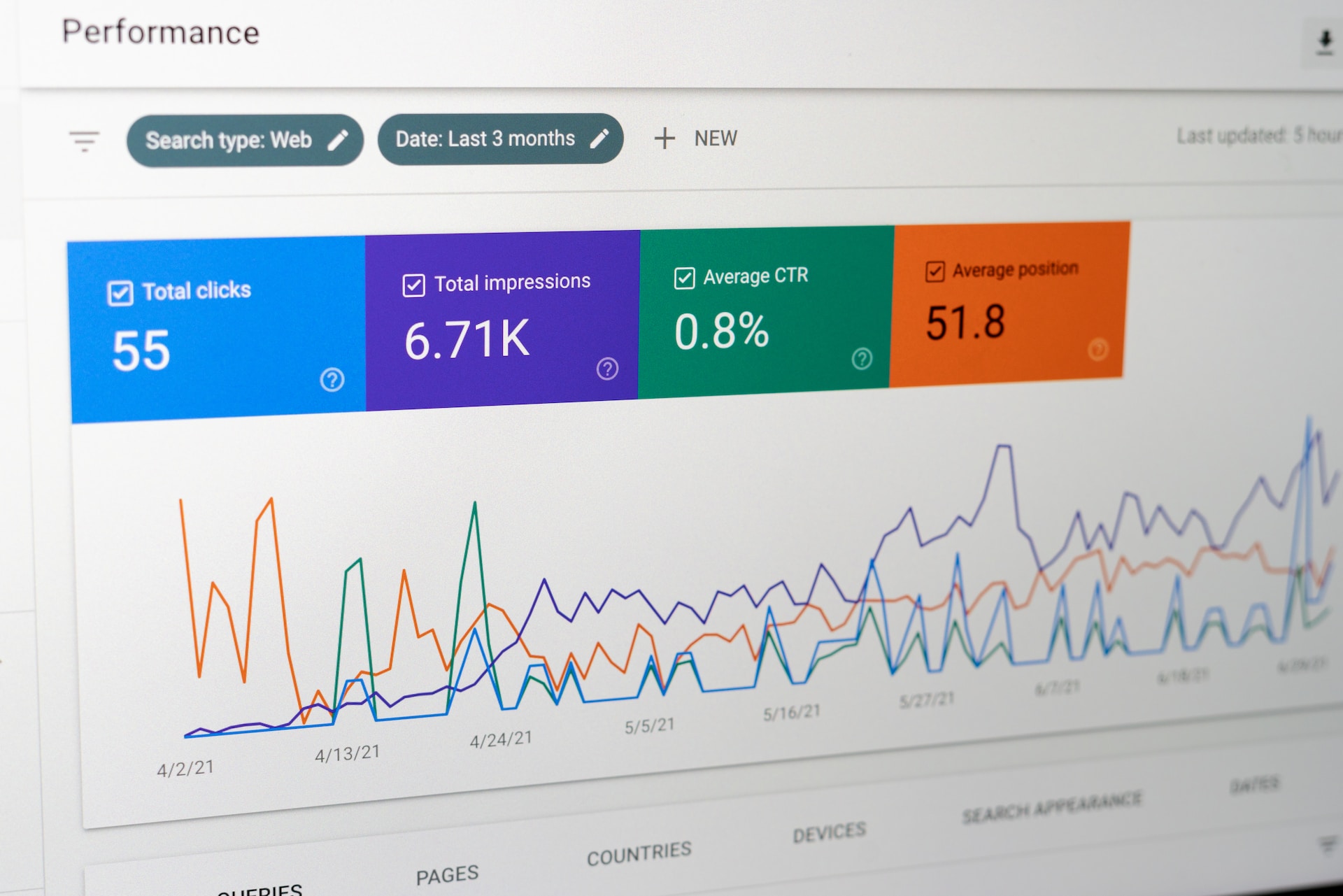
Your analytics can give you a clear sense of whether you’re emailing too often — or not enough.
Start by reviewing your current frequency. For example, if you send one email per week:
-
Keep half of your list at the same rate.
-
Increase the other half to two emails per week.
-
Track open rates, click-throughs, unsubscribes and spam complaints.
This simple test can give you real insight into what your audience prefers.
Look at What Others in Your Industry Are Doing
This is a slightly cheeky tactic — but it works.
Subscribe to a few competitors’ email lists and take note of:
-
How often they email
-
The type of content they send
-
How they vary their message
Use it as inspiration, not a rulebook.
What the Direct Marketing Association Says
The DMA’s 2017 Email Tracking Study highlights the typical maximum monthly send rates:
Maximum number of emails sent per month
| Frequency | B2C | B2B |
|---|---|---|
| Once | 3% | 18% |
| 2–3 times | 37% | 37% |
| 4–5 times | 30% | 25% |
| 6–8 times | 11% | 7% |
| More than 8 times | 14% | 5% |
| Don’t know | 5% | 7% |
These numbers reinforce what we discussed earlier: B2B tends to email less frequently than B2C.
Need Help Finding the Right Email Frequency?
Whether you’re new to email marketing or you’ve been running campaigns for years, I’m here to help.
I can help you choose the right platform, set everything up properly, or review your current strategy to find easy wins.
If you want a quick, informal chat about how I can support your email marketing activity, just drop me an email.
Recent Comments